The profit-first playbook for scaling Google Ads

Why profitable growth starts with contribution margin, clean measurement and a bidding model that reflects the economics of your business.
ROAS is not the same as profit
Most accounts are still optimised around revenue efficiency. That is useful, but it ignores margin, fulfilment, discounts and the cost of acquiring a first-time customer. A profit-first model gives the algorithm a target that is much closer to the commercial truth.
Build a reliable economic baseline
Before increasing budgets, agree on the numbers that define a valuable order. Connect contribution margin to campaign reporting and separate new-customer economics from returning-customer revenue.
- Track product-level margin rather than one blended average.
- Account for returns, discounts and fulfilment costs.
- Give new-customer acquisition its own target and budget.
The best scaling decision is rarely the one that produces the prettiest platform metric. It is the one that creates the most durable contribution margin.
Scale in controlled layers
- Fix measurement and product economics.
- Consolidate fragmented campaign structures.
- Increase spend where marginal profit remains healthy.
- Review the signal weekly and adjust deliberately.
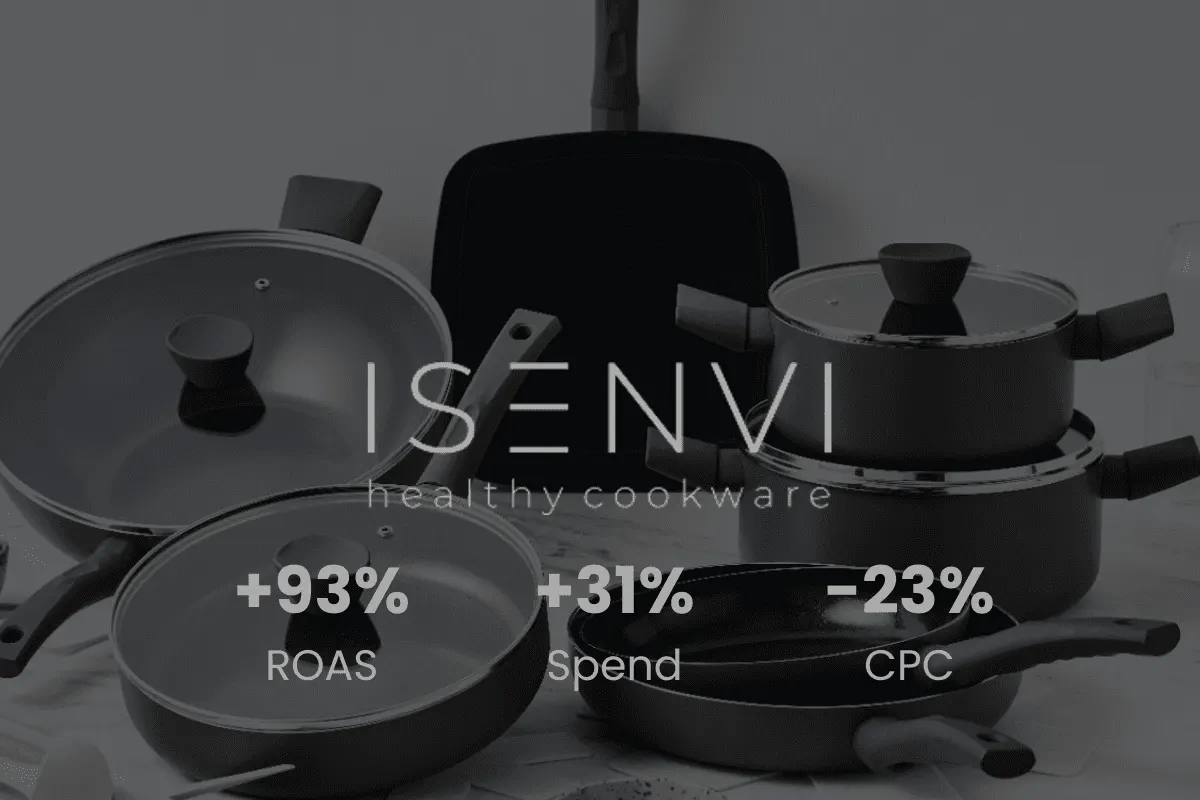
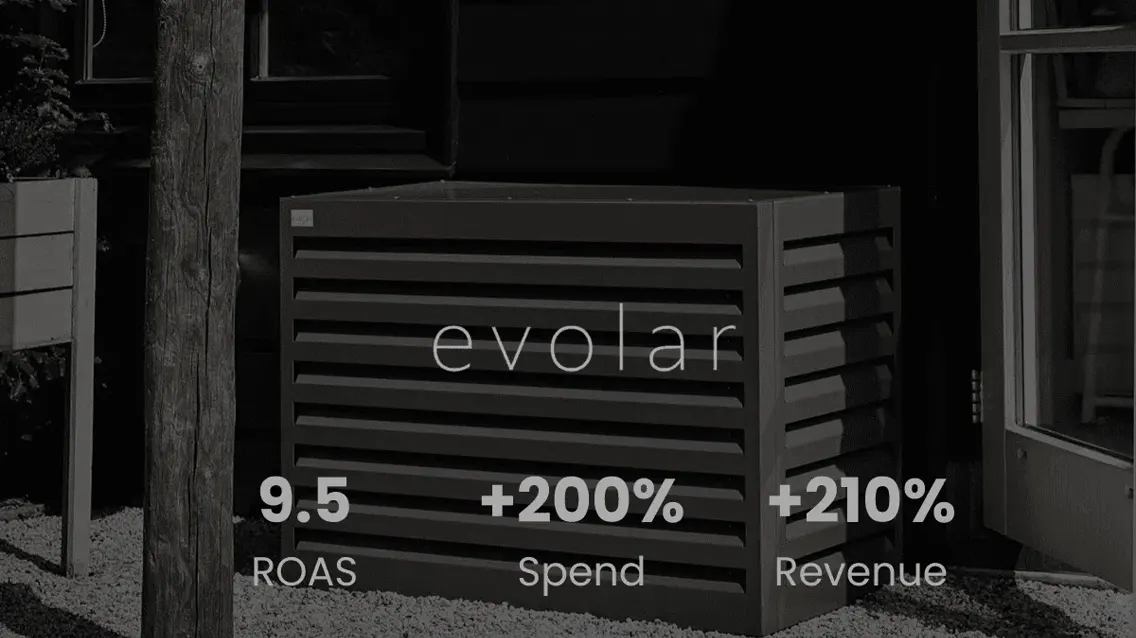
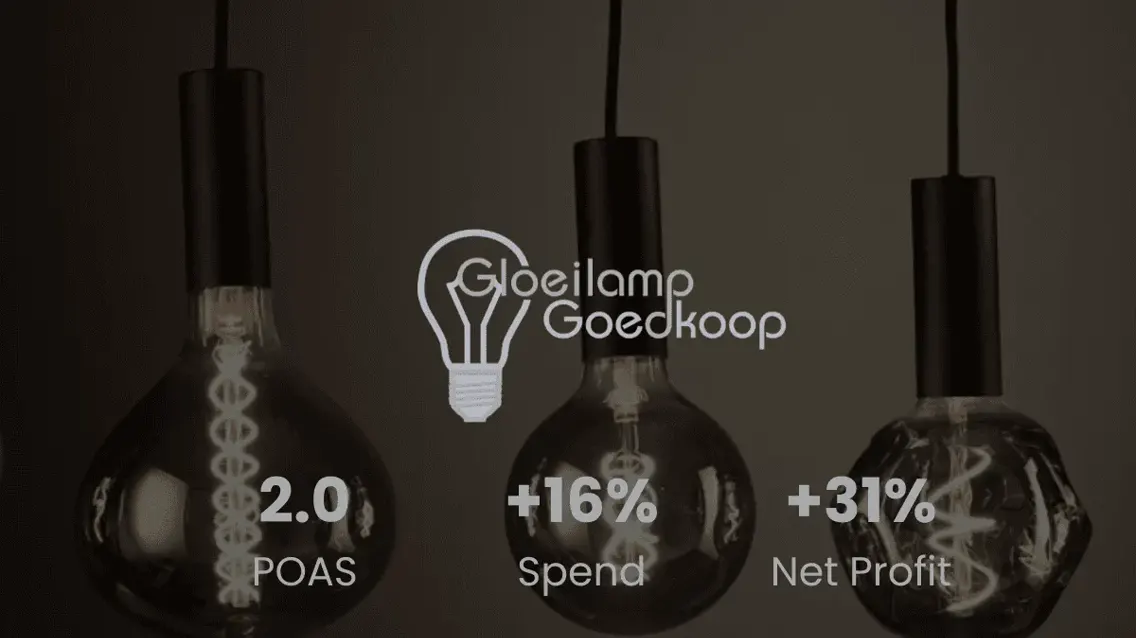
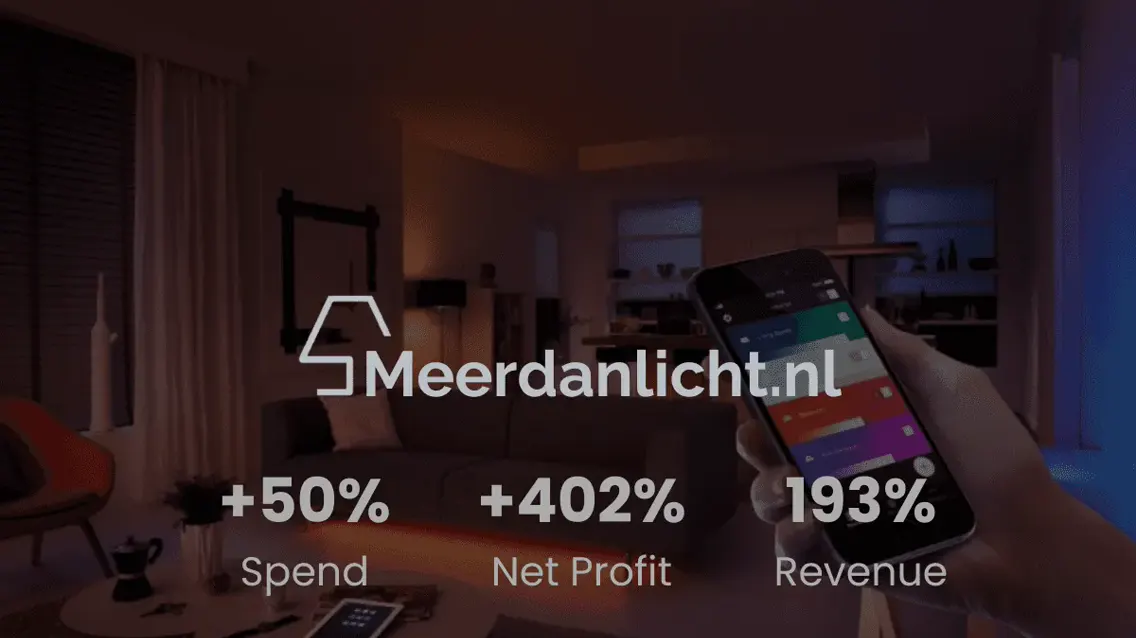
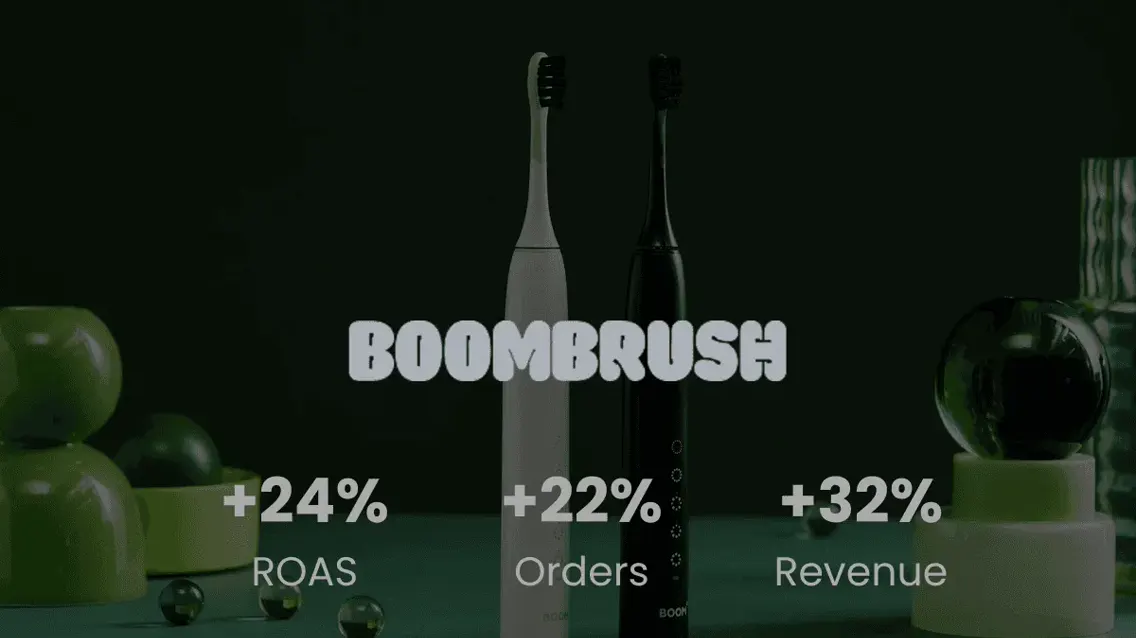
This approach may look slower in the first week, but it creates the confidence to move faster later. Read our case studies to see how the model works in practice.